
When your furnace won’t start, doing your own furnace repair in Frederick, Maryland, can feel overwhelming.
Figuring out a furnace-related problem might feel like a challenging task when your heat won’t turn on. But it doesn’t have to be like that.
There are a couple of fast, reasonable fixes you can do by yourself to skip a furnace repair call.
If your furnace won’t turn on, won’t stay on or won’t ignite, try the troubleshooting list below before getting in touch with an HVAC professional.
If you find you need help from a heating and cooling expert and live in Frederick, May's Heating & Air can provide assistance to you. We can repair most types of heating systems and also provide emergency furnace repair.
If it’s time for a new heating system, we also do furnace installation.
While you’re chatting with us, think over a routine furnace maintenance plan that might help you avoid repairs in the future. We can tell you how frequently your furnace should be inspected by one of our NATE-Certified professionals.
Use our easy guide below to get to work on troubleshooting your furnace. Most of these steps don’t require mechanical know-how.
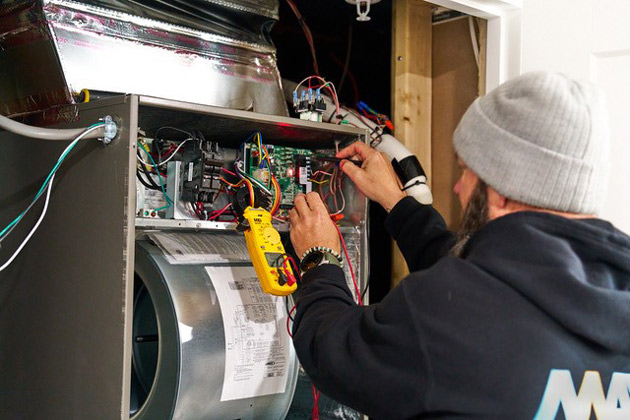
8 Ways to Tell if Your Home Needs Furnace Repair

1. Some areas of your home are colder than others.
Your furnace should provide warmth to every room in your home. If it doesn’t and some rooms in your home stay too cold, call one of our HVAC technicians for furnace maintenance or repair.
2. Your monthly energy bills spike.
If you aren’t really using your furnace more, but your home heating bills are increasing more than they should, it could be that your furnace is inefficient and requires repair.
3. Strange noises come from the furnace.
All heating and cooling systems make some noise, but if your furnace is making odd noises—especially grinding—it’s a sign you should have it examined by an expert.
4. Your heating system keeps turning off and on.
Known as short cycling, a furnace that is continually starting and stopping instead of turning on and completing its cycle most likely needs repair from an expert HVAC technician like the team members at May's Heating & Air.

5. The heating system won’t turn on.
If your furnace won’t start, that’s without a doubt a sign you need HVAC repair. If it turns out you need furnace replacement, our heating specialists in Frederick can help you choose a new high-efficiency furnace that’s a good match for your home.
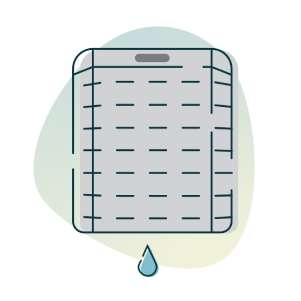
6. Water leaks around your heating system.
Any type of water leaking from your furnace is a sign there’s something amiss that needs prompt HVAC repair. We’ll provide a diagnosis and present your repair options, so you can decide which course of action is right for your home and budget.

7. Your heating system smells weird.
Furnaces shouldn’t smell bad. If there’s a persistent bad smell coming from your furnace, it’s a sign you should seek repair. If you think you smell gas or an eggy smell, it could be a gas leak and requires immediate action: evacuate your home right away and reach out to get help once you have gotten to safety.
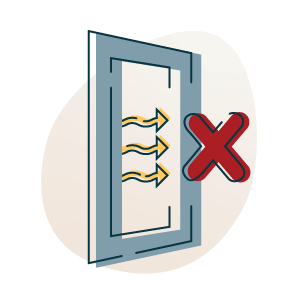
8. Not enough air is coming from vents in your home.
From problems with your ventilation system to something wrong with your blower motor or a clogged furnace filter, insufficient or weak airflow from vents can be caused by a number of problems that may need HVAC repair, system maintenance or furnace installation.
Furnace Repair: Frequently Asked Questions
We Can Help with HVAC Repair
Followed our troubleshooting guide but your furnace still won’t work?
Call us today or contact us online. We’ll come out and pinpoint the problem.